


-
Molecular screen, ¿conoces las ventajas de estas agarosas derivatizadas?
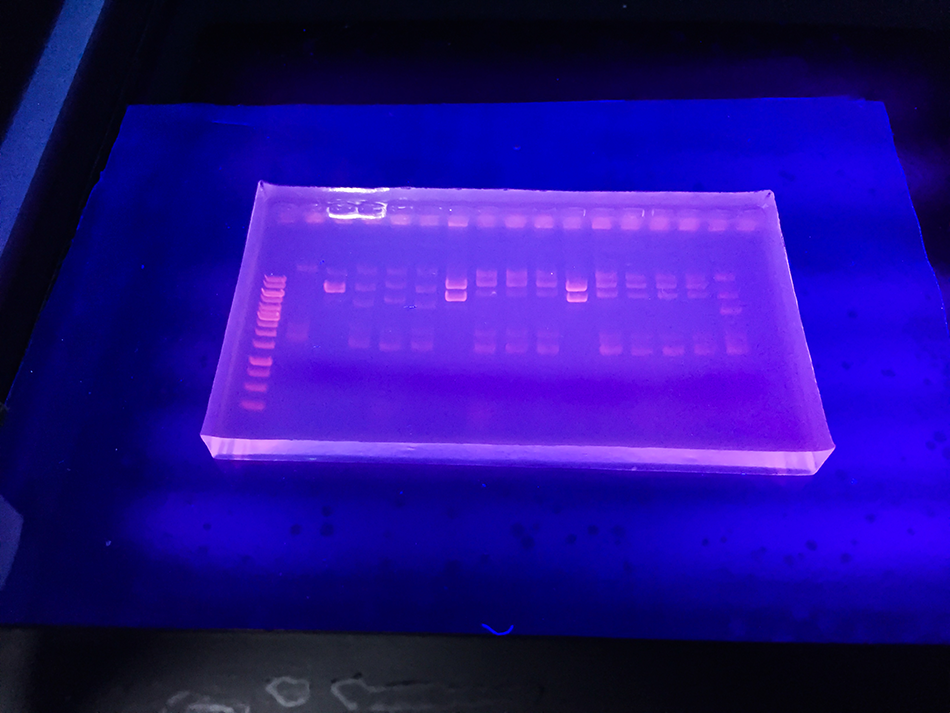
Las agarosas Molecular Screen de Hispanagar están diseñadas para mejorar la separación de pequeños fragmentos de ADN y productos PCR. Gracias a su alta capacidad de resolución, baja unión al ADN y excelente transparencia, ofrecen resultados precisos para aplicaciones avanzadas de biología molecular.
-
Agar-agar, el ingrediente aliado para la dieta ‘plant based’

El agar-agar, obtenido de algas rojas, es un ingrediente vegetal ideal para el desarrollo de alimentos plant-based. Gracias a sus propiedades gelificantes y espesantes, permite crear productos de origen 100 % vegetal, contribuyendo además a una alimentación más sostenible y con menor impacto ambiental.
-
¡Te esperamos en 2022!

Hispanagar despide 2021 agradeciendo la confianza de clientes, colaboradores y distribuidores, y reafirma su compromiso con la innovación, la calidad y el desarrollo de nuevas soluciones basadas en agar, agarosas y peptonas. Además, comparte sus mejores deseos para afrontar juntos un nuevo año lleno de oportunidades.
-
Hispanagar: expertos en la fabricación de agar y agarosa
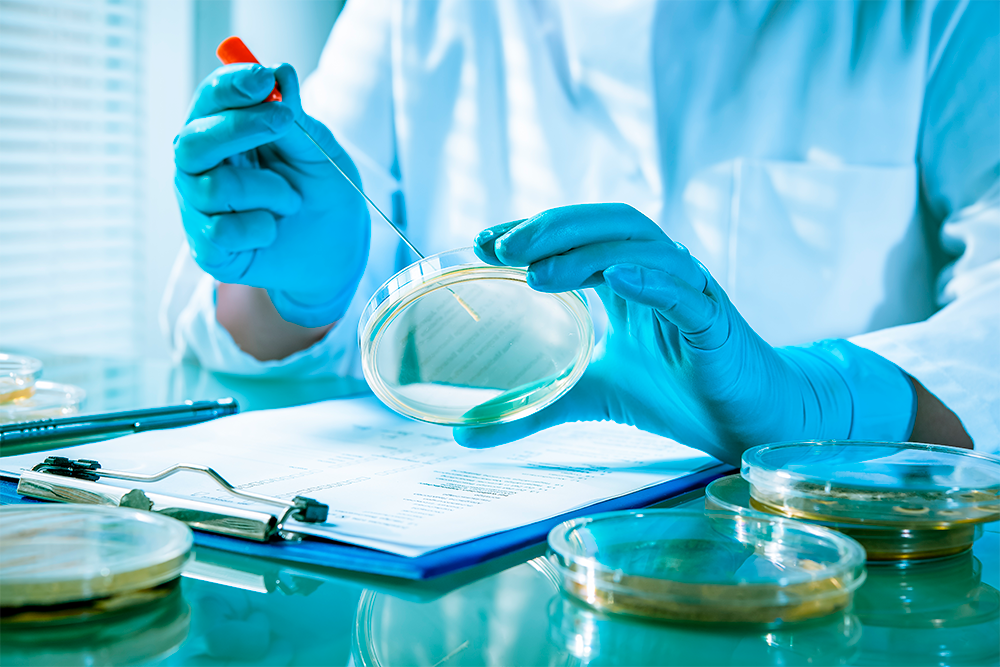
Con más de 60 años de experiencia, Hispanagar se ha consolidado como referente internacional en la fabricación de agar, agarosa y peptonas. Su control integral de la producción, desde la materia prima hasta el producto final, garantiza soluciones de alta calidad para microbiología, biología molecular, alimentación y bioprocesos.
-
¿Cuáles son los tipos de agarosas qué ofrecemos?
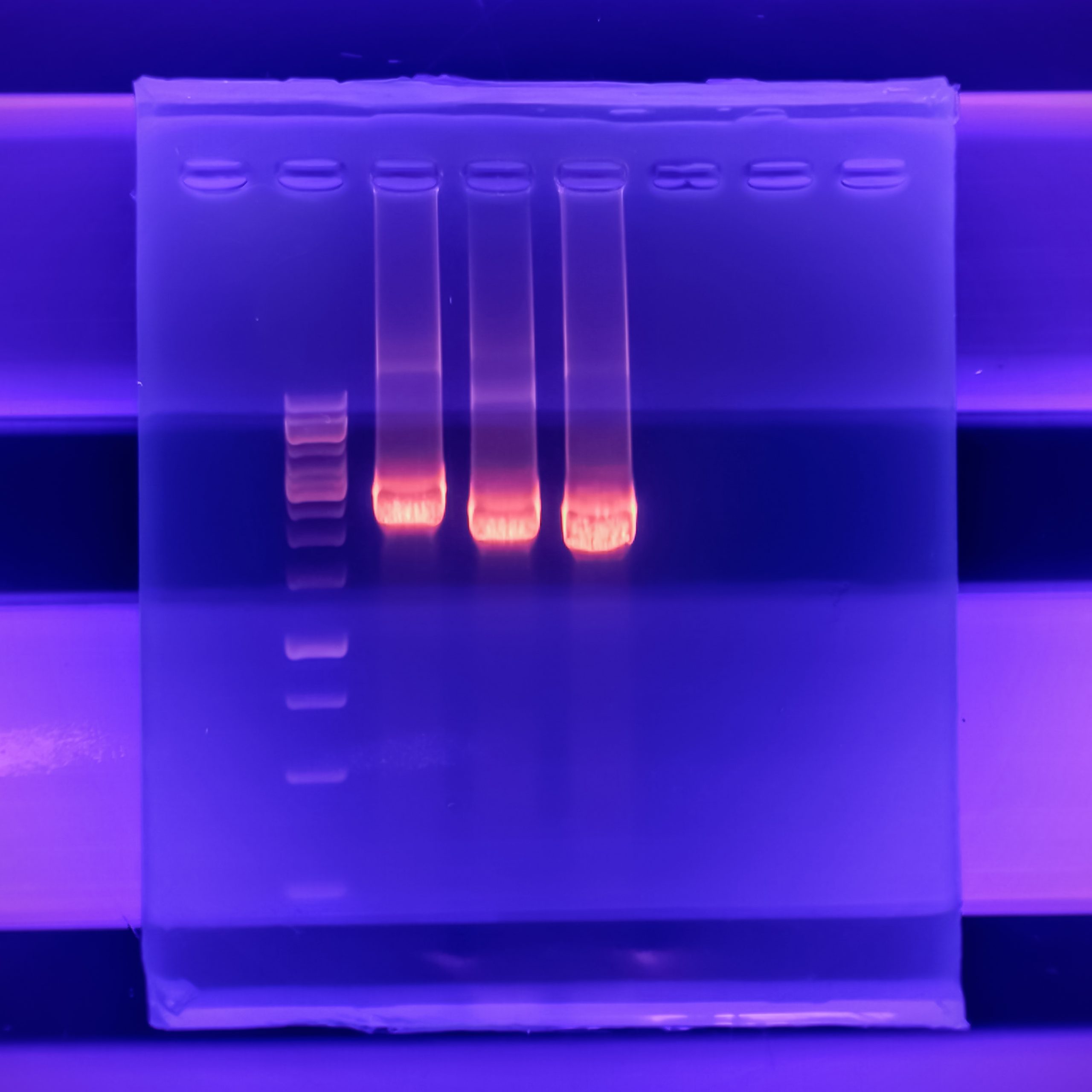
Hispanagar ofrece una amplia gama de agarosas adaptadas a distintas aplicaciones de biología molecular, desde análisis rutinarios hasta técnicas de alta resolución. Cada tipo está diseñado para optimizar la separación y recuperación de ácidos nucleicos, garantizando resultados fiables, reproducibles y de alta calidad en el laboratorio.
-
¿Cómo elaboramos nuestro agar-agar?
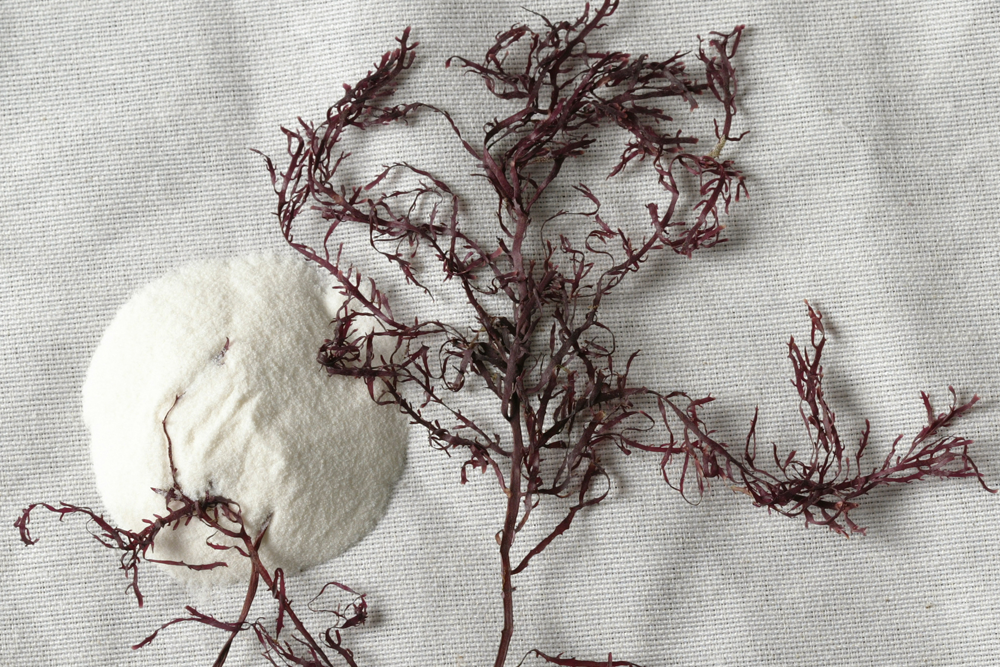
Descubre cómo se elabora el agar-agar, desde la selección de algas rojas hasta los procesos de extracción, purificación y secado que garantizan un ingrediente natural de alta calidad. Un recorrido por la fabricación de un hidrocoloide esencial para la industria alimentaria.
-
Agar como alternativa al packaging tradicional

El agar se perfila como una alternativa innovadora al packaging convencional gracias a su origen natural, biodegradabilidad y capacidad para formar películas y recubrimientos. Sus propiedades lo convierten en un material prometedor para desarrollar envases más sostenibles y contribuir a reducir el uso de plásticos en la industria alimentaria.
-
La versatilidad del agar, el ingrediente en expansión

El agar destaca por su extraordinaria versatilidad y por sus múltiples aplicaciones en la industria alimentaria. Sus propiedades gelificantes, espesantes y estabilizantes lo convierten en un ingrediente clave para desarrollar productos innovadores, responder a las nuevas tendencias de consumo y mejorar la funcionalidad de una amplia variedad de alimentos.