


-
Differences between Gelidium and Gracilaria algae

As we already know, agar-agar is extracted from different species of algae. It is present in various marine plants, but the main source used is the red algae Agarophytas. Among these algae, there are two species with high agar-agar content, the species Gelidium and Gracilaria, from which agar is produced with different characteristics. As we mentioned in another post,…
-
The agar in Michelin star kitchens
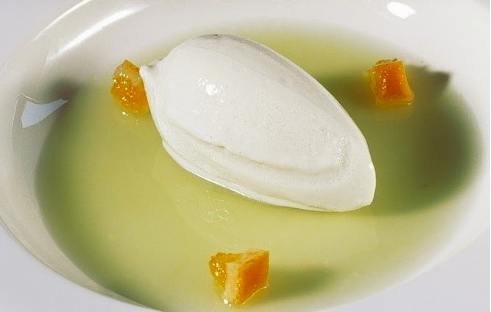
For 4 centuries, the hegemony of haute cuisine was French, the recipes of its chefs passed from hand to hand and their cookbooks were the “bible” of future chefs. But in 2003, everything changed. Ferran Adrià was featured on the cover of the Sunday New York Times with the title the New New Cuisine, and…
-
Christmas recipes with Agar: Christmas cookies
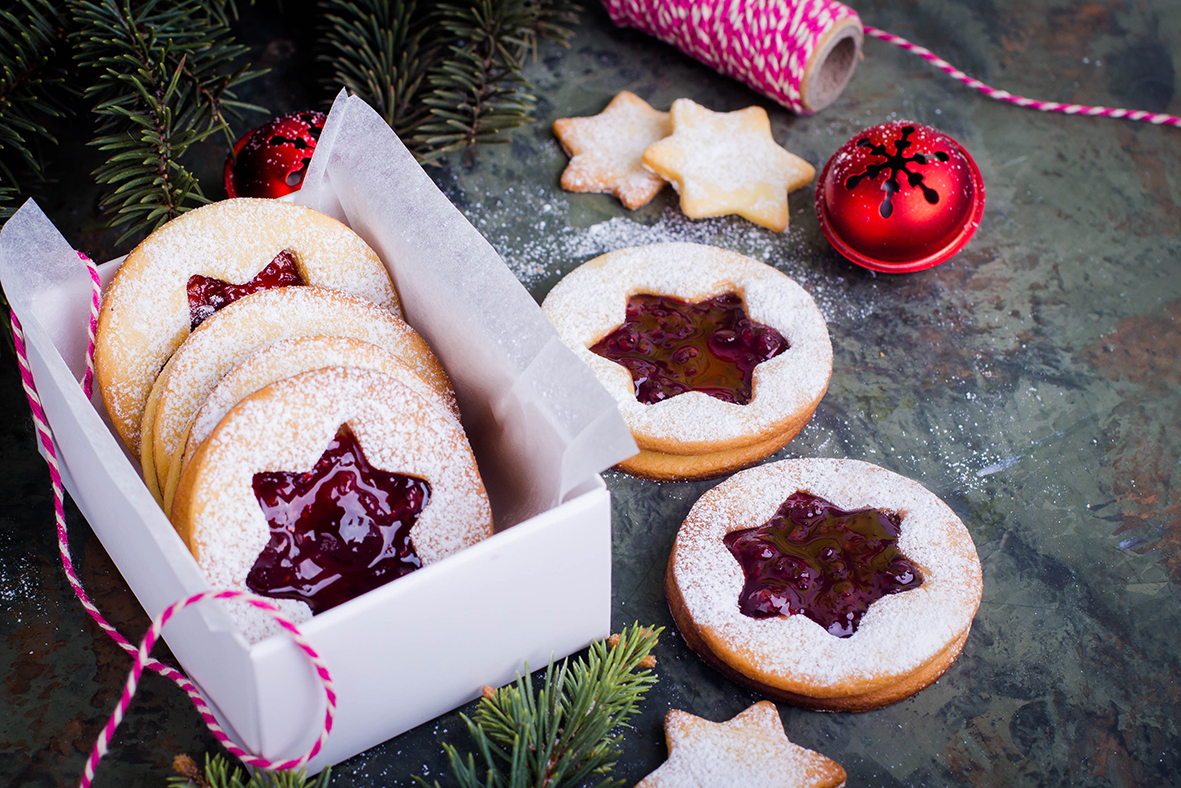
The agar has multiple applications in food. We can use it at home to thicken sauces, make jellies, prepare desserts… Christmas is approaching and at Hispanagar we want to offer you ideas for your Christmas desserts. Don’t miss this delicious recipe for Christmas cookies. Ingredients: 200 gr of flour, 60 gr of ground almonds,…
-
Art in Agar
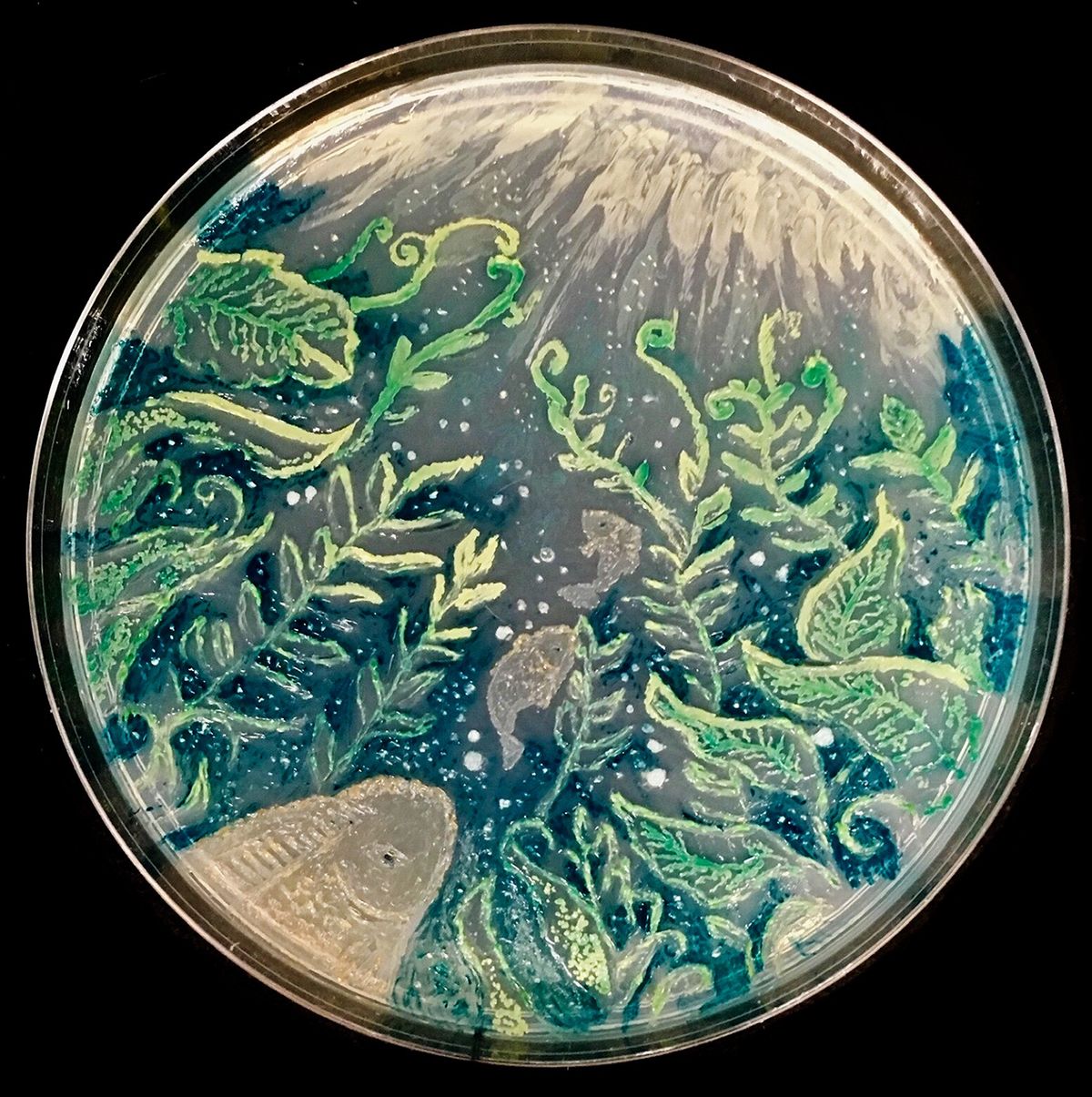
“Works of art with living bacteria,” this is the motto of the Agar Art contest, a project that the American Society for Microbiology (ASM) has been carrying out annually for the past 5 years. This society was founded in 1899 with the mission of promoting and advancing microbial sciences. The initial idea of the contest…
-
Why is agar used in microbiology?
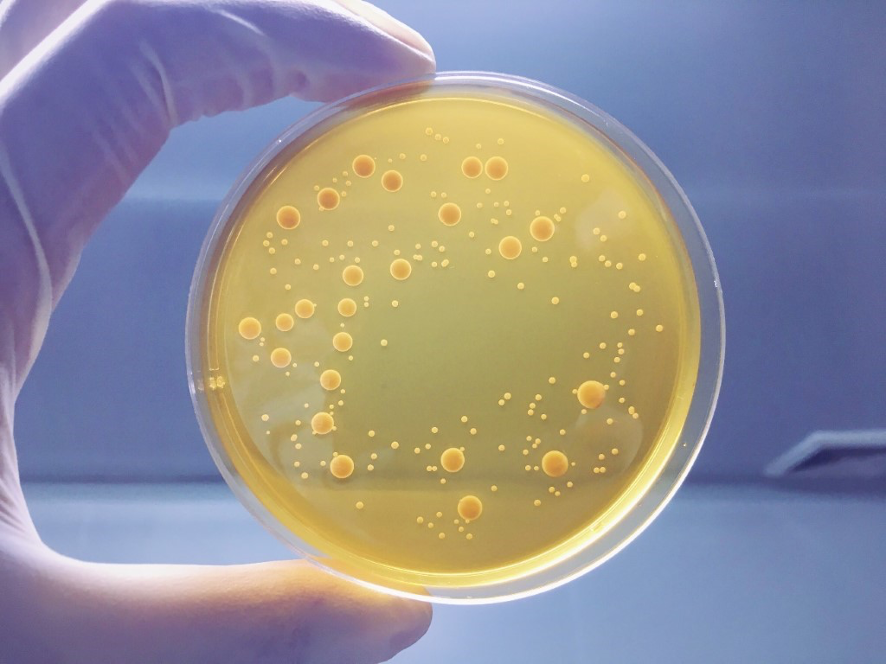
Currently, it is very popular to associate agar with food products, but there are actually other types of industries where this ingredient becomes an indispensable element. One of the most important applications is bacteriological agar. By its nature, agar is an aseptic and solidifying component, which makes it an ideal candidate for use in microbiology. …
-
Did you know that agar is used to make dental molds?

Although agar is a material that has become known to the general public through cooking, it has other very interesting applications. For example, for some time now, it has been used in dentistry for obtaining partial or total dental impressions. With these molds of the patient’s mouth, models of the dentition are made for study…
-
Agar is the healthiest hydrocolloid on the market
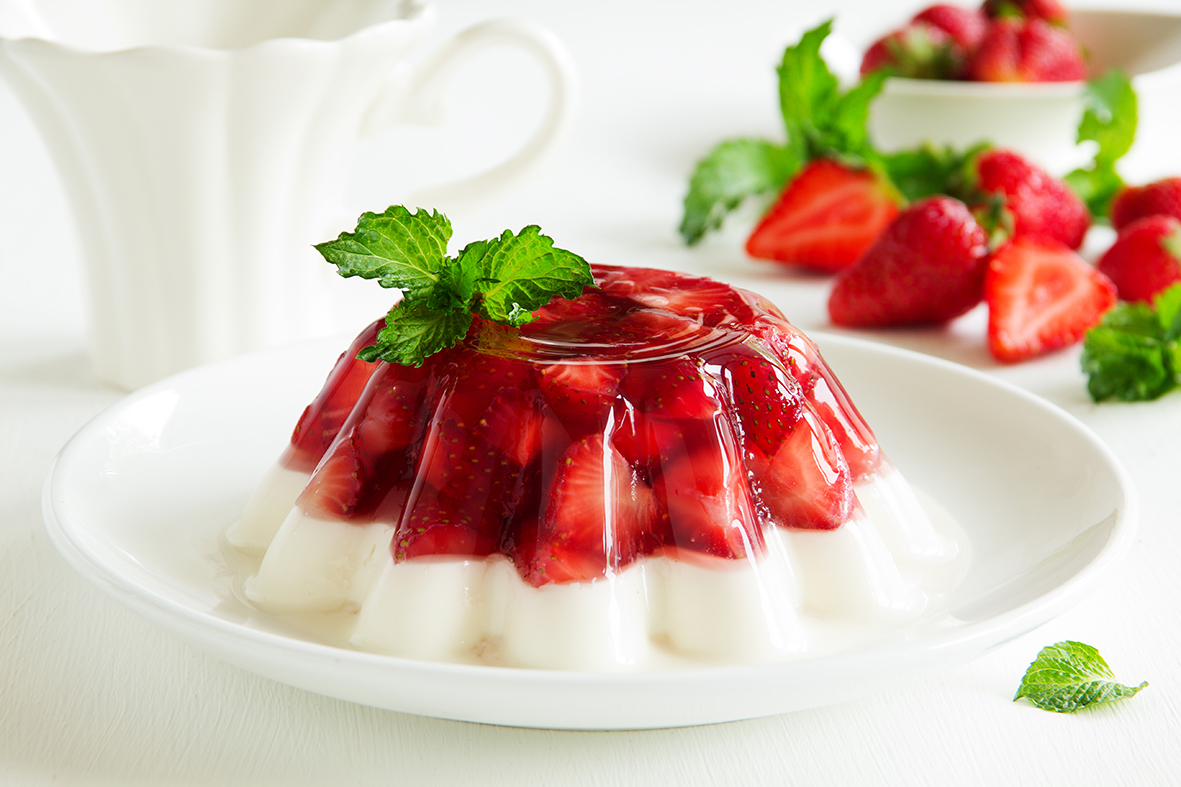
Let’s start by answering the following question: what is a hydrocolloid? It is a large group of polysaccharides and proteins that dissolve in water in the form of colloids and are highly prone to forming gels. They have a large number of applications due to their special properties: they texturize, thicken, agglutinate, emulsify, stabilize, foam,…
-
How and when agar was discovered

Seaweeds have been used for centuries in Japan for the preparation of dishes and, as is often the case, the discovery of their gelling power is not without legend. To find the earliest data on the use of their particularities, we must go back to 17th century Japan. It is said that during the journey…