


Why is agar used in microbiology?
Currently, it is very popular to associate agar with food products, but there are actually other types of industries where this ingredient becomes an indispensable element. One of the most important applications is bacteriological agar. By its nature, agar is an aseptic and solidifying component, which makes it an ideal candidate for use in microbiology. […]
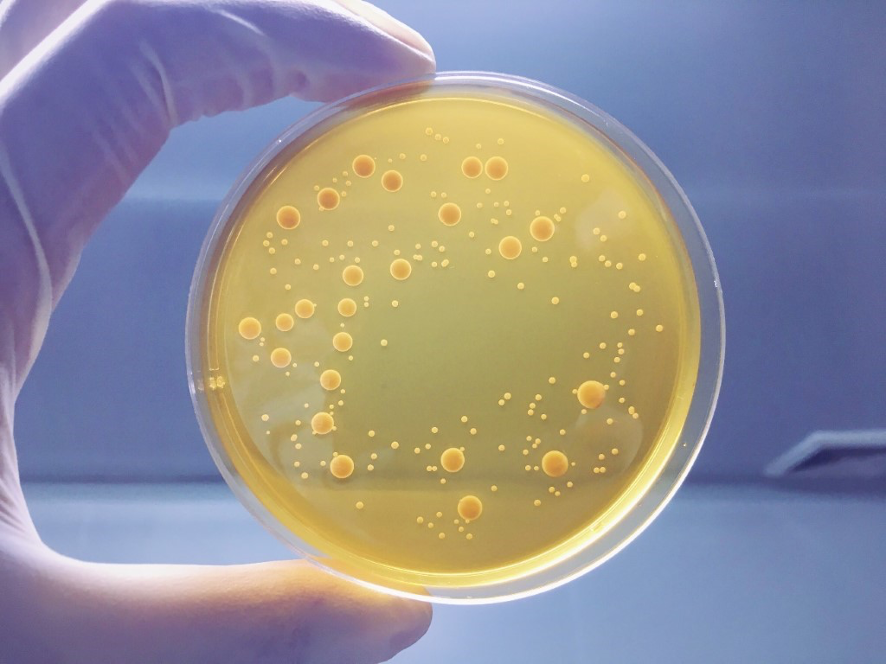
Currently, it is very popular to associate agar with food products, but there are actually other types of industries where this ingredient becomes an indispensable element.
One of the most important applications is bacteriological agar. By its nature, agar is an aseptic and solidifying component, which makes it an ideal candidate for use in microbiology.
Technicians must use agar to create their culture media, mixing agar with nutrients that allow for the perfect conditions for a microorganism to develop.
These analyses allow us to determine if certain products contain unwanted microorganisms for human consumption, ensuring the quality of the products we consume every day.
Before the application of agar in the world of microbiology, the first bacteriologists cultivated microorganisms in foods such as potatoes, coagulated egg whites, and meat, as we discussed in our article “How did the first culture medium with agar arise?.” Nowadays, agar is the most reliable and efficient system for the preparation of culture media for microbiology.
