NEW AGAROSAS FOR REGENERATIVE MEDICINE
In collaboration with the Histology Department of the Tissue Research Group at the University of Granada, Hispanagar is working on the development of different types of agaroses that can be used as biomaterials in the field of regenerative medicine. So far, agarose has been used in numerous biological processes as a biomaterial for the separation […]
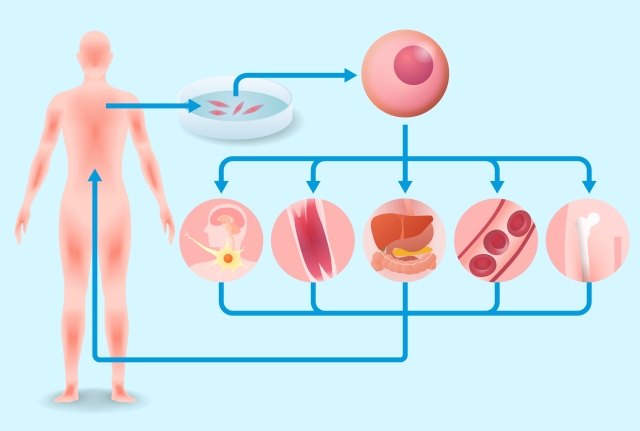
In collaboration with the Histology Department of the Tissue Research Group at the University of Granada, Hispanagar is working on the development of different types of agaroses that can be used as biomaterials in the field of regenerative medicine.
So far, agarose has been used in numerous biological processes as a biomaterial for the separation of nucleic acids and proteins, electrophoresis, gel chromatography, immunodiffusion, support for biocatalysis, culture medium, etc. This extensive history as a biomaterial opens the door to increasing its possibilities in other applications.
Biomaterials, understood as substances that interact with biological systems, play a fundamental role in regenerative medicine and tissue engineering, designed to control cellular behavior and development. Therefore, within the framework of this R&D project, Hispanagar aims to verify the effectiveness of new agaroses as biomaterials for the growth and cellular development of biometric tissue with human tissues.
This project started in 2018 and has an estimated duration of three years. It is co-financed by CDTI based on European regional development funds (ERDF) through the multi-regional operational program for smart growth, “A way to make Europe.”