


Agar: The Polysaccharide That Supports Entire Industries
Discover the role of bacteriological agar in microbiology and its applications across healthcare, food safety, and biotechnology.
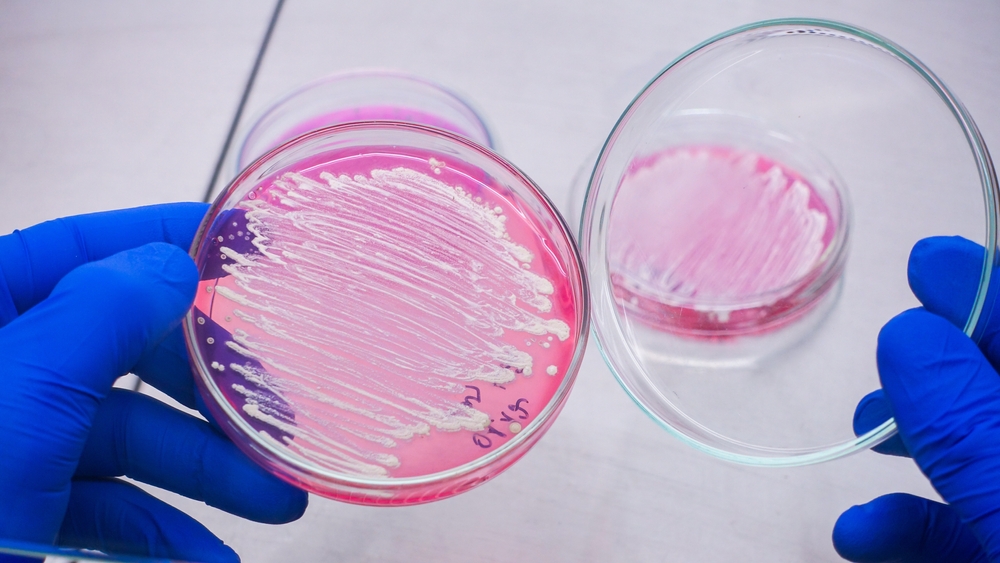
Extracted from red algae, bacteriological agar is an essential component across numerous sectors, from microbiological diagnostics to the pharmaceutical industry and food safety.
It may seem like a simple ingredient, but its role in microbiology is fundamental. Bacteriological agar provides a stable solid surface on which microorganisms can grow and be analyzed, making it an indispensable tool for laboratories around the world.
Its versatility allows it to be used in a wide range of applications:
- Healthcare: for the culture and identification of pathogenic microorganisms.
- Food industry: for microbiological quality control and the detection of potential contamination.
- Water analysis: to detect indicator microorganisms and contribute to microbiological quality control.
- Agriculture: in plant tissue culture and in vitro plant propagation techniques.
- Pharmaceutical industry: for microbiological control of processes and products.
- Biotechnology: as a support medium for different research and development applications.
What Makes Agar Such a Versatile Medium?
One of its main characteristics is its ability to form stable gels at temperatures at which other gelling agents may lose their properties. It also offers high transparency and low interaction with the components of the medium, facilitating the observation and analysis of microbial growth.
Therefore, behind every colony observed on a culture plate is a material that, although it may go unnoticed, plays an essential role.
