


High-Resolution Agarose: When Molecular Detail Matters
Discover how high-resolution agarose can improve fragment separation in molecular biology.
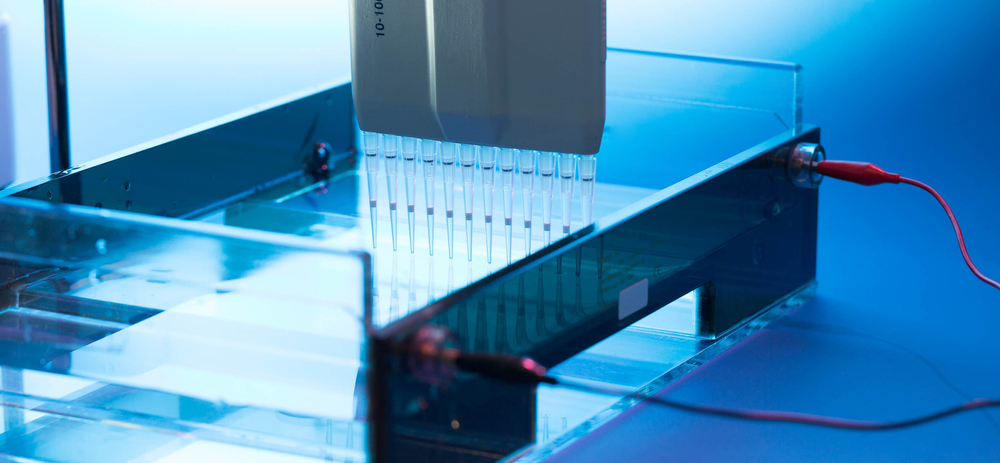
The choice of agarose can make a significant difference to the quality of an electrophoretic separation. Understanding the characteristics of each type makes it possible to adapt the gel to the needs of each application.
In molecular biology, not all samples require the same level of resolution. Therefore, selecting the right type of agarose is an important factor in obtaining clear and reproducible results.
Different Types of Agarose for Different Applications
There are different types of agarose, each suited to specific needs:
🔹 Standard Agarose
An appropriate option for most routine electrophoresis applications.
🔹 Low Melting Point (LMP) Agarose
Its low melting point facilitates DNA recovery directly from the gel, reducing the risk of damage.
🔹 High-Resolution Agarose
Designed to achieve more precise separation of small DNA fragments, allowing differences to be distinguished that may be difficult to appreciate with conventional agarose.
Gel Selection Matters Too
Selecting the right agarose is just one of the factors that influence the quality of an electrophoresis. The gel percentage and the buffer used also directly affect separation and, therefore, the interpretation of results.
In applications where it is necessary to distinguish fragments of similar size, using high-resolution agarose can be particularly relevant for achieving a greater level of detail.
When Every Fragment Counts
In a molecular biology laboratory, small technical adjustments can have a significant impact on the final result.
That is why choosing the right agarose for each application is not a minor detail, but an important part of planning an electrophoresis protocol.
