


Why is it called agar-agar?
The agar was discovered accidentally in Japan in the mid-17th century. In another post, we will talk about the curious legend surrounding its discovery, but today we will focus on the origin of the name. In Japanese, this product is called “kanten,” which means “cold sky” and refers to the artisan method of production through […]
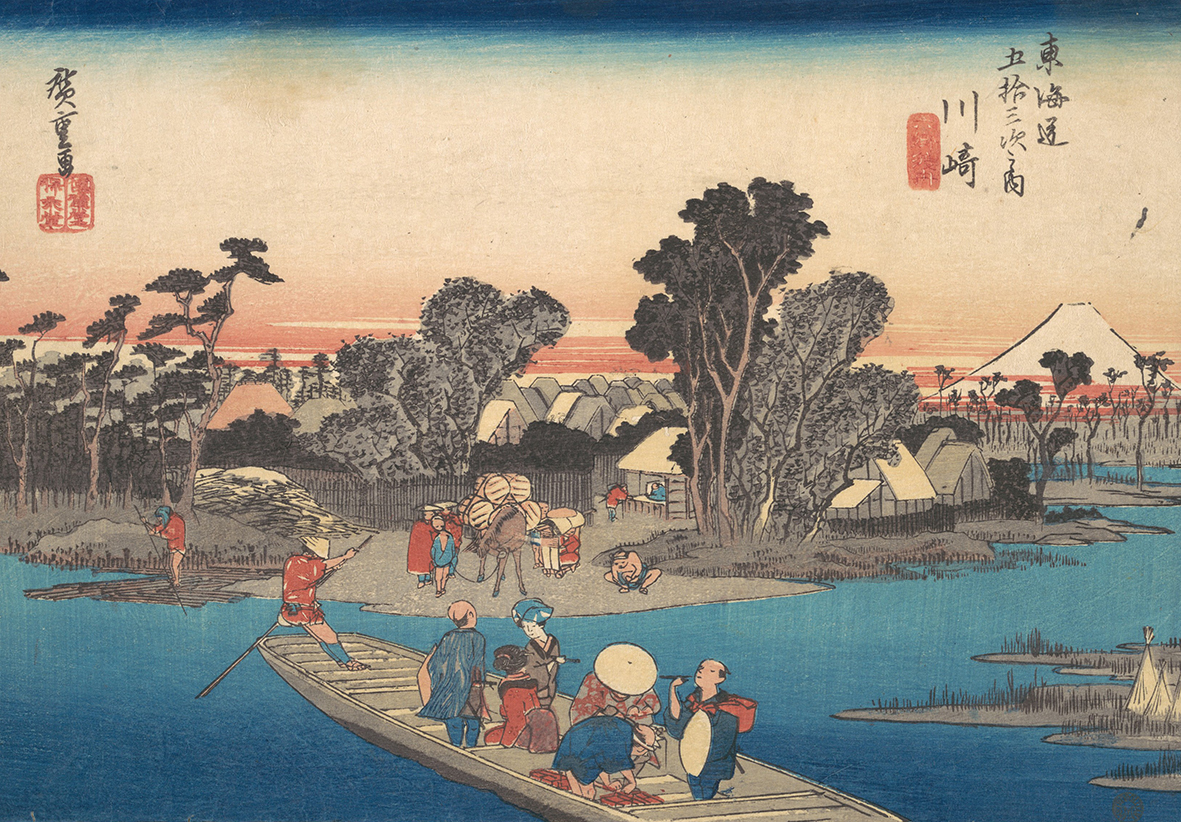
The agar was discovered accidentally in Japan in the mid-17th century. In another post, we will talk about the curious legend surrounding its discovery, but today we will focus on the origin of the name.
In Japanese, this product is called “kanten,” which means “cold sky” and refers to the artisan method of production through natural freezing and thawing. The word “agar,” or “agar-agar,” which is currently used, comes from Malay.
In the 19th century, Chinese emigrants brought the Japanese product to Malaysia, adapting the local name for agar, which means jelly or gelatin. In this country, it is customary to repeat the word twice for emphasis, with the literal translation being “gelatin-gelatin.” When the Japanese “kanten” made its way to Europe, it did so with the Malay name of agar.
Hispanagar is one of the few companies worldwide that preserves traditional manufacturing methods through freezing lines along with the most current methods, offering the entire range of available products.
