


Did you know that agar is used to make dental molds?
Although agar is a material that has become known to the general public through cooking, it has other very interesting applications. For example, for some time now, it has been used in dentistry for obtaining partial or total dental impressions. With these molds of the patient’s mouth, models of the dentition are made for study […]
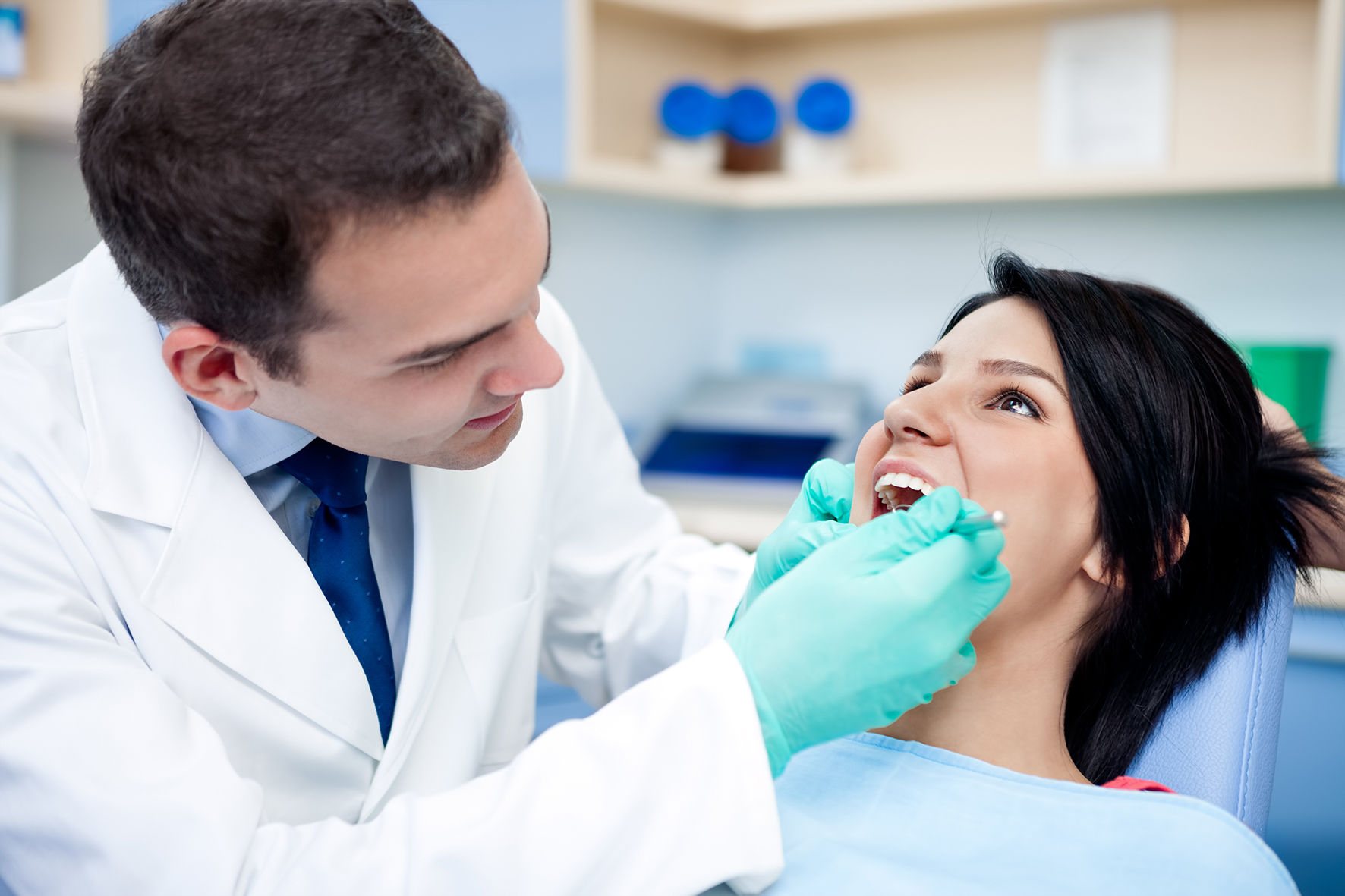
Although agar is a material that has become known to the general public through cooking, it has other very interesting applications. For example, for some time now, it has been used in dentistry for obtaining partial or total dental impressions. With these molds of the patient’s mouth, models of the dentition are made for study or for the fabrication of dental prostheses.
Agar is a true hydrophilic material, therefore, the teeth do not need to be dried before placing it in the mouth. The process is carried out through three baths at different temperatures of the agar. The first at 100 °C to liquefy the agar, the second to lower the temperature of the material for intra-oral use (generally fixed at 43-46 °C) which allows for the modeling of the dentition, and the third, for storage, is fixed at 63-66 °C.
Unlike alginates, molds made with agar do not require the addition of chemicals for their formation and form an impression of much higher quality. The model of the patient’s dentition is used to create high-precision ceramic compounds. Ceramic-based restorations are the foundation of the current model of fixed prosthetics in dentistry, as they are more aesthetic and biocompatible.
