


¿Conoces las diferencias entre el Agar y el Carragenato?
Aunque el agar y el carragenato proceden de algas rojas y comparten aplicaciones como hidrocoloides, presentan diferencias en su origen, mecanismo de gelificación, fuerza de gel, textura, comportamiento térmico e interacción con otros ingredientes. Conocer estas características permite seleccionar el ingrediente más adecuado para cada formulación alimentaria.
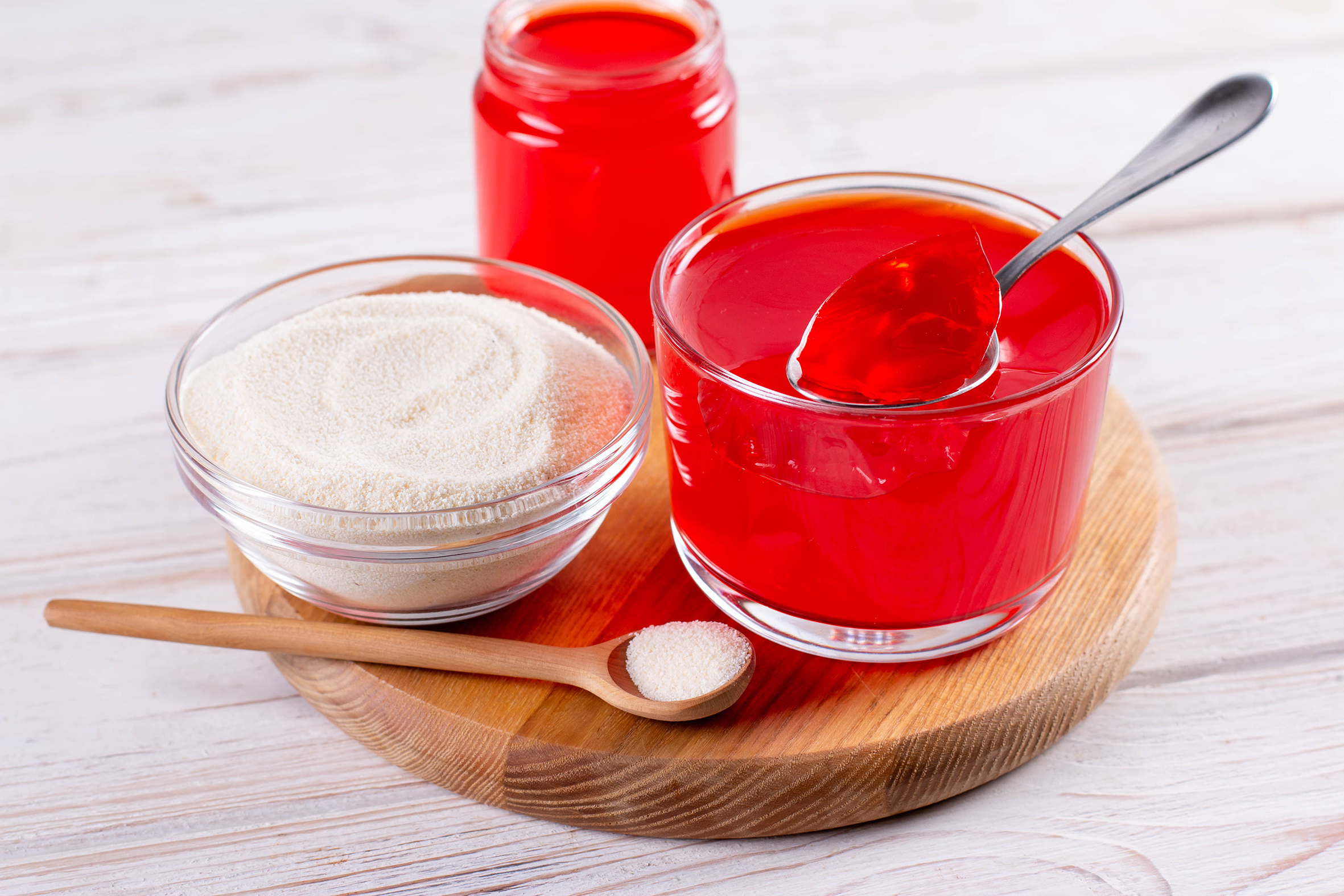
El agar y el carragenato tienen muchas cosas en común, ambos son hidrocoides, ambos proceden de algas rojas, ambos se usan como espesante y ambos se utilizan en la industria alimentaria. Pero veamos las diferencias:
Aunque los dos proceden de algas rojas, cada uno de ellos proviene de distintas especies. Como hemos visto en otras ocasiones, el agar proviene de las algas Gelidium y Gracilaria mientras que el carragenato se extrae de algas rojas de las especies Euchema y Gigartina.
A diferencia de los otros hidrocoloides, la gelificación del agar se produce mediante la formación de enlaces de hidrógeno entres las moléculas de agarosa lo que genera un gel físico, que no requiere la participación de ninguna otra molécula. Esto marca una de las mayores diferencias con sus “competidores” ya que la mayoría de las gomas necesitan de otras moléculas para poder gelificar (normalmente necesitan la adición de sales o azúcares). El carragenato si necesita la ayuda de agentes externos para gelificar, por lo que puede alterar el sabor, el color o el olor del alimento.
Tienen diferente poder de gelificación. El agar puede formar geles con concentraciones muy inferiores al 1.0% (incluso a niveles del 0.1%), tiene un poder gelificante entre 5 y 8 veces mayor que el resto de hidrocoides, por lo que se necesitará mucho menos producto para producir el mismo efecto.
Cada uno produce distintas texturas. El agar siempre consigue geles fuertes y quebradizos. En cuanto al carragenato, existen 3 tipos: iota, kappa y lambda aunque este último se usa menos en industria alimentaria ya que no gelifica y tiene baja viscosidad. El carragenato Iota da lugar a geles débiles y elásticos. El kappa produce geles fuertes y rígidos. Es habitual combinar ambos tipos de& carragenato para conseguir la textura de gelatina deseada.
También encontramos diferencias en cómo se comportan con las temperaturas. La temperatura de disolución del carragenato depende del tipo, kappa e iota se disuelve a partir de los 70º mientras el lamba es soluble en frío. La mayoría de los agares son solubles al alcanzar los 100º salvo los agares de baja solubilidad, que lo hacen entre los 65 y 80º. Una característica única de los agares es su alta histéresis (la diferencia entre el punto de gelificación y el de fusión) que se sitúa en 50º.
Si analizamos sus sinergias con otros espesantes también encontramos diferencias. El agar es un ingrediente muy noble que no necesita de sinergias para llevar a cabo su función. Si bien se ha visto que algunos tipos de agares pueden presentar sinergias con algunos tipos de gomas como la goma garrofín y la goma konjac. Por su parte, el carragenato kappa también y, además, lo hace con la goma konac. El iota se puede utilizar con el almidón y el lamda no tiene sinergias con otros espesantes.
Otra de las particularidades de la que podemos hablar es de la interacción con las proteínas, el carragenato kappa tiene una reacción específica con la caseína y el lamda una fuerte intereacción con las proteínas aumentada a pH ácidos. Por su parte, el agar no reacciona con las proteínas.
Por último, el contenido calórico del agar es realmente bajo, el más bajo de todos los espesantes que se usan en el mercado.
