


El agar, ingrediente estratégico en la elaboración de quesos y yogures veganos
El agar es un ingrediente estratégico para la elaboración de quesos y yogures veganos gracias a su capacidad para aportar textura, estabilidad y consistencia. Además de sustituir ingredientes de origen animal, permite desarrollar productos plant-based con excelentes propiedades tecnológicas y un perfil nutricional más saludable.
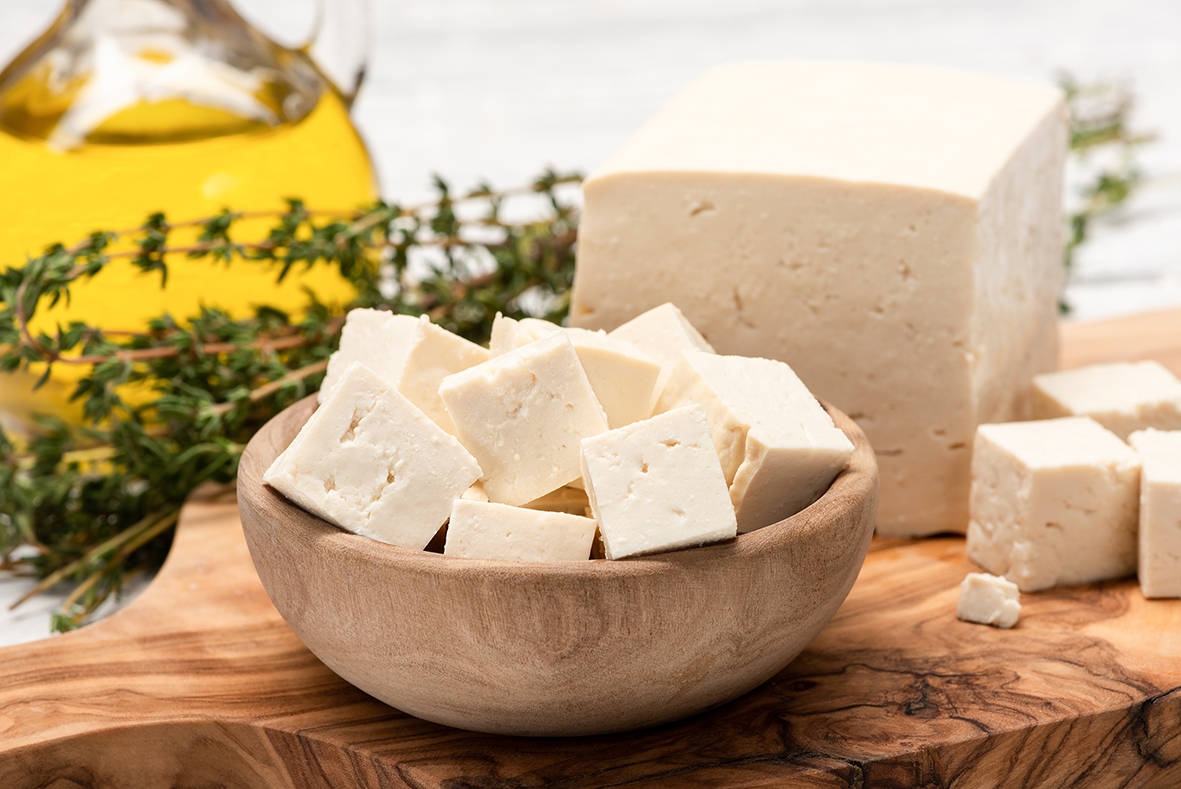
Para la producción de quesos veganos tradicionalmente se han usado frutos secos, soja y aceites vegetales. El problema, como casi siempre en este tipo de alimentos, es recrear la consistencia final de los productos no veganos. Por ello, el agar resulta ideal, sustituye al cuajo y permite obtener una amplia gama de texturas desde blandas hasta duras. Además, el uso de agar aportará beneficios nutricionales a la receta y su fusión con frutos secos es perfecta. El agar no solo se utiliza en la elaboración de quesos caseros, sino que cada vez es más frecuente encontrar en el mercado quesos veganos elaborados a nivel industrial que contienen agar entre sus ingredientes.
Existen numerosas recetas para hacer quesos veganos y se puede replicar multitud de variedades. Podemos encontrar versiones veganas de quesos tan diversos como quesos “duros” estilo cheddar hasta quesos semiblandos como la mozzarella, el queso feta o el brie. Por supuesto, no debemos olvidar la gran cantidad de recetas de quesos untables. El agar QSol Soft es ideal para la fabricación de este último tipo de quesos.
Pero los problemas con la consistencia no se reducen a las recetas de quesos veganos. Con las recetas tradicionales de yogures veganos el producto final generalmente es más liquido de lo deseado y el agar es ideal para evitar esta carencia gracias a su efecto gelificante.
