


Did you know that agar is used for diagnostic tests?
Agar is present in our daily lives and is not only linked to food. There is a long list of diseases in which agar and peptones are key for diagnosis: respiratory diseases, digestive system diseases, urinary diseases… and a long etcetera. Some of them are easily treatable and others are a concern for the WHO […]
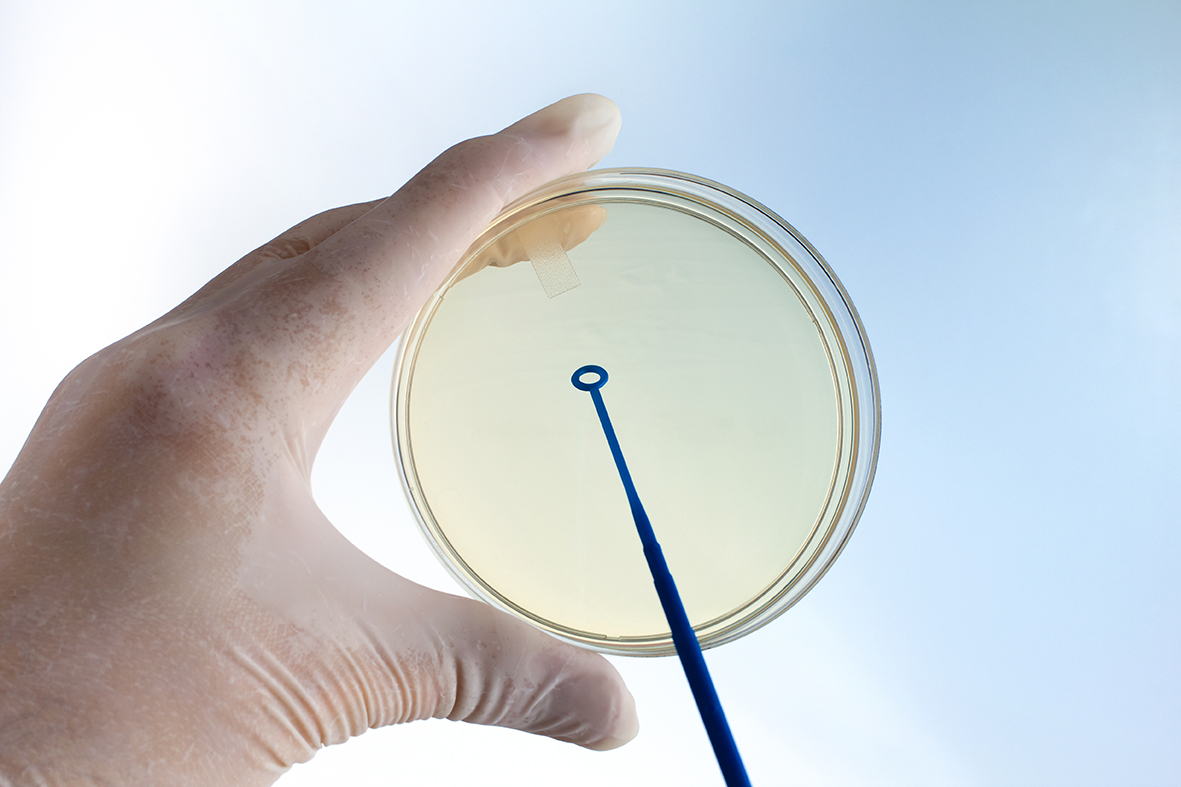
Agar is present in our daily lives and is not only linked to food. There is a long list of diseases in which agar and peptones are key for diagnosis: respiratory diseases, digestive system diseases, urinary diseases… and a long etcetera. Some of them are easily treatable and others are a concern for the WHO due to their resistance to antibiotics.
If you go to a medical center with symptoms of a disease caused by bacteria, they will take a sample that will be inoculated in a suitable medium for the multiplication of microorganisms. Why is this process done? To observe if the bacteria causing the disease is present in our sample.
This medium is solid or liquid agar enriched with peptones or different substances (sugars, carbohydrates,…) that promote the growth of the bacteria we are interested in diagnosing. In this way, within a few hours, the laboratory of the medical center will be able to know if our disease is related to the infection of a bacterium, prescribing the appropriate treatment for each specific case.
But not only that, thanks to the culture media, the laboratory can test different antibiotics to which these bacteria are sensitive, observe which one offers the best results, and thus determine the most effective treatment.
