


El uso del agar en cosmética
El agar encuentra múltiples aplicaciones en la industria cosmética gracias a sus propiedades gelificantes, espesantes, estabilizantes y formadoras de película. De origen natural y biodegradable, se utiliza en productos como cremas, mascarillas y geles, contribuyendo al desarrollo de formulaciones más sostenibles y respetuosas con la piel.
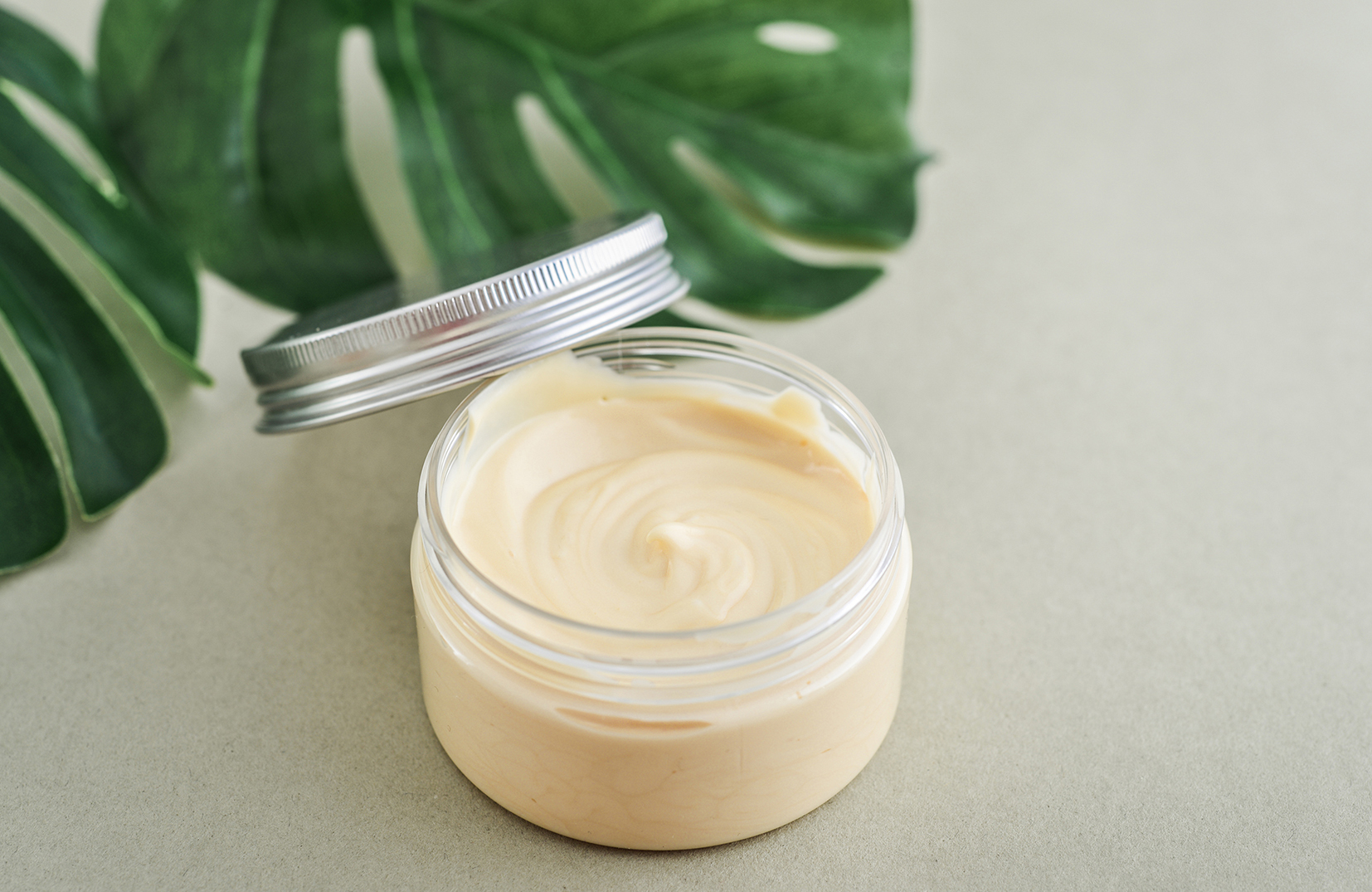
Las algas se han usado desde hace siglos en cosmética por sus propiedades beneficiosas para la piel. Pero no fue hasta inicios del siglo XX en Francia cuando comenzaron a utilizarse de manera industrial en los primeros laboratorios especializados en la investigación y desarrollo de productos cosméticos. Los primeros productos que se fabricaron a base de algas fueron jabones, cremas de afeitar, champús, tintes, lápices de labios, tónicos, maquillaje, espumas y una gran variedad de productos de baño.
En poco tiempo tuvieron un gran éxito y su demanda aumentó. Resultaban beneficiosos por su alto contenido en oligoelementos, sales minerales, vitaminas y aminoácidos que ayudan a mantener el buen aspecto de la piel, ya que son directamente asimilables por las células cutáneas.
Las formas de aplicación más común son geles, mascarillas, emulsiones, champús, lociones y cremas, y entre sus múltiples usos se destaca los tratamientos tonificantes, hidratantes, rejuvenecedores y anticelulíticos.
A día de hoy, en la composición de productos cosméticos, no solo se usan algas, también productos derivados de ellas como el agar-agar. Es uno de los elementos más comunes por sus propiedades suspensivas, emulsionantes, estabilizantes y gelificantes que no incorporan grasa al producto, una característica muy importante a la hora de desarrollar productos para la piel. Además, no es tóxico ni irritante, básico para personas con problemas cutáneos.
