


La industria europea de algas, un futuro de nuevas oportunidades
La industria europea de las algas afronta un futuro lleno de oportunidades impulsado por la innovación y la sostenibilidad. Descubre cómo este sector estratégico está ganando protagonismo en alimentación, biotecnología y economía azul, contribuyendo al desarrollo de soluciones para los retos del futuro.
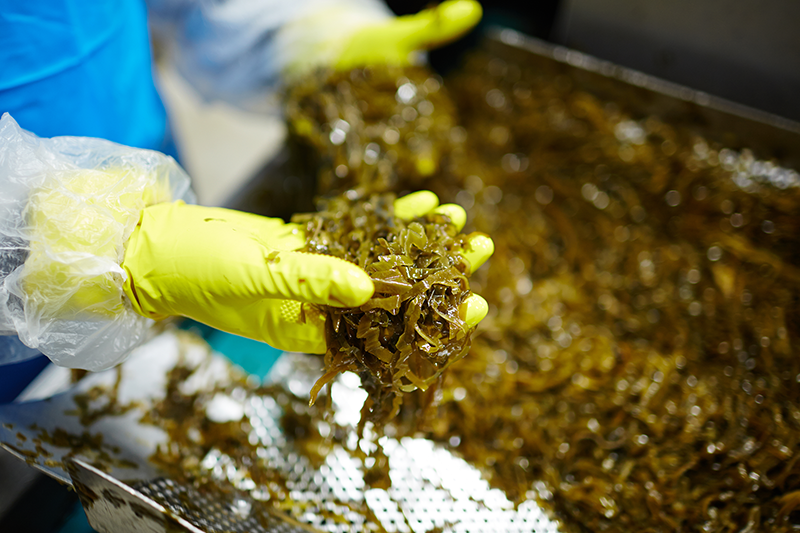
Actualmente, la producción europea de algas es cercana a las 300.000 tons (fuente FAO) y representa solo el 1,4% de la producción mundial. Según diferentes fuentes, la producción mediante cultivo en Europa supone entre el 1-3% de la producción total. El 97-99% de la biomasa total generada en Europa se extrae de poblaciones silvestres (Araújo et al. 2021). De esta producción el 50% se ha dirigido mayoritariamente a aplicaciones alimentarias, principalmente con la obtención de ingredientes alimentarios, pero también como consumo directo.
Estando por detrás de países con una mayor tradición productora como Noruega y Francia, en España se obtienen unas 10.000 tons de biomasa anuales. La producción de algas se concentra en la costa norte, principalmente en Asturias, Galicia y Cantabria.
El proyecto CIRCALGAE, del que Hispanagar forma parte, trata de dinamizar la industria de las algas Europea buscando nuevas fórmulas para aprovechar los residuos de esta industria en la producción de nuevos productos de alto valor.
